Light Iron & Whitegoods Scrap
Trade grade: Light Gage Steel
Thin or light gauge steel materials.
An indicative rate, not a quote. What we pay turns on the grade, how clean the load is and how much of it there is — ring us and we will price the metal you actually have. Guide updated 10 November 2026.
What this grade accepts
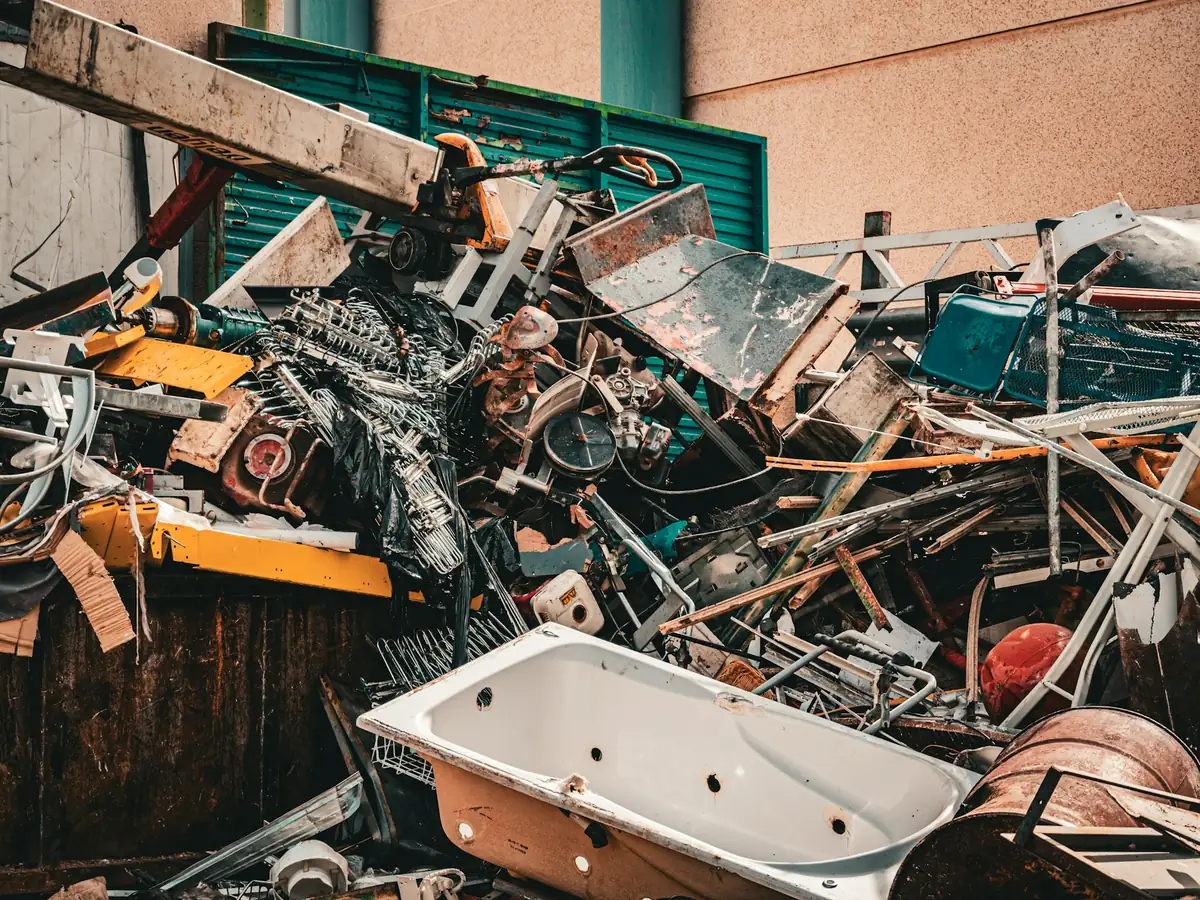
- Roofing iron
- Whitegoods
- Light steel
What it does not
- Sealed vessels
Where it usually comes from
- Household
- Construction
How to prepare it
Ensure no hazardous materials are attached.
Not sure? Send a photo before you sort anything — it costs nothing to ask.
About Light Gage Steel
Light gauge steel covers thin ferrous material below the thickness threshold for HMS — sheet, roofing iron, ducting, shelving, light framing, whitegoods casings and general tin.
It is the lowest-value grade in the yard by weight, and it is bulky, so the economics work on volume rather than on a boot load. Where it comes from a strip-out or a demolition, a bin is the sensible way to move it.
Whitegoods can come in, but fridges and freezers must be degassed first, the same as air conditioners.
Common questions
- What is light iron or light gauge steel?
- Thin steel below HMS thickness: sheet, roofing iron, ducting, shelving, light framing, whitegoods casings and general tin.
- Can you scrap a washing machine?
- Yes, whitegoods are accepted as light gauge steel. Fridges and freezers must be degassed first.
- Do you take roofing iron?
- Yes. Roofing iron is light gauge steel.
- What is not accepted?
- Sealed vessels, and anything with hazardous materials attached.
Ready to move your Light Gage Steel?